Some homes carry an atmosphere that feels warm and comforting the moment you step inside. Much of that feeling comes from the natural materials used, which develop a sense of history as they evolve with the home. Unlike surfaces designed to remain perfect over time, natural materials develop subtle marks that add depth and character. From the softened surface of wood and stone to the patina of living metals and faded colors of antique textiles, these signs of age give homes a lived-in quality while making the materials themselves richer and more beautiful with daily use.
Natural Woods
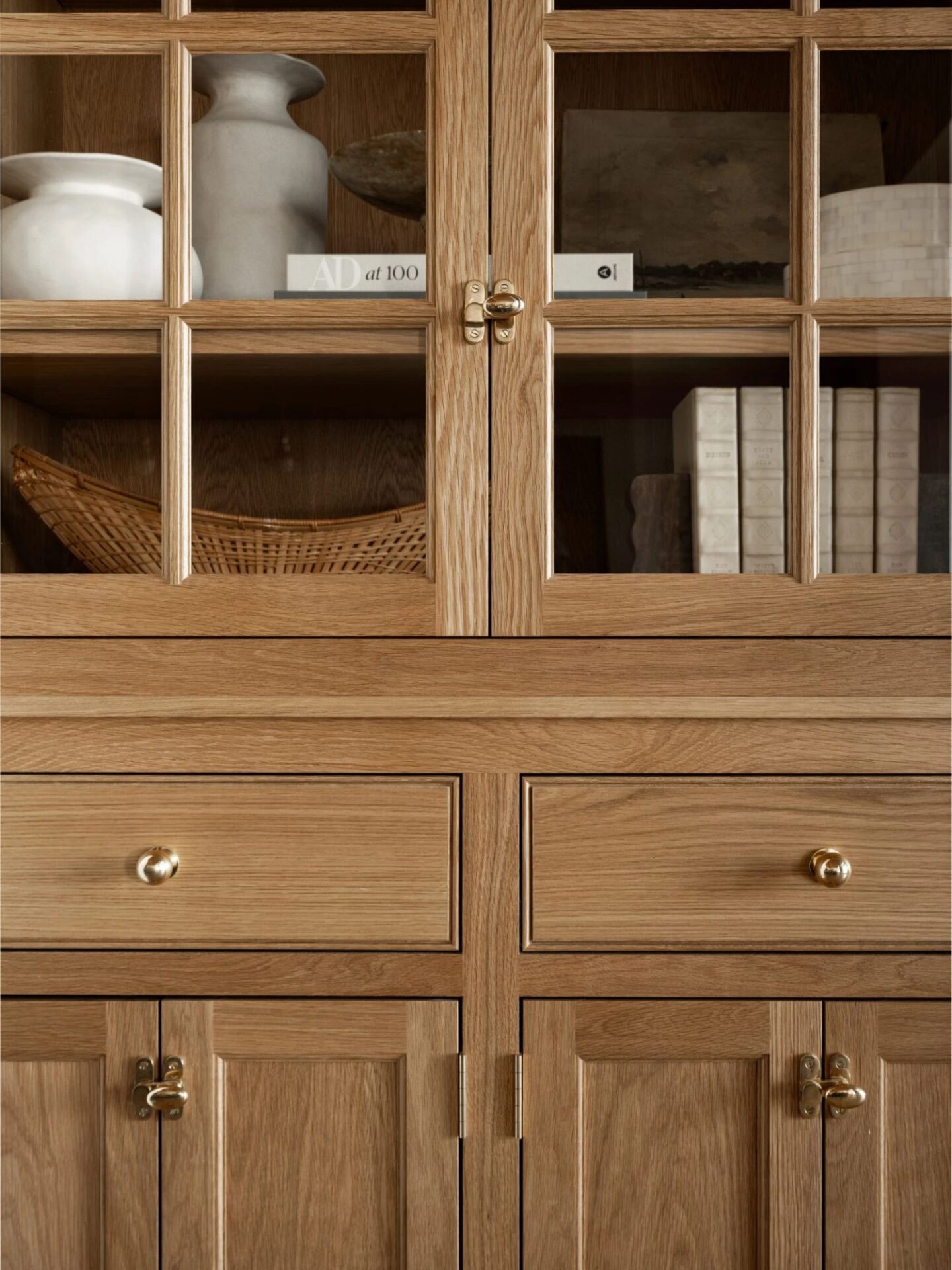
Natural wood is one of the most expressive materials you can bring into a home. Over time, wood floors and furniture respond to changes in their environment and everyday use, developing subtle variations in color, texture, and even the spacing between floorboards. And, rather than diminishing their appeal, these signs often make a space feel more comfortable and approachable.
For example, a wood floor that carries a few scratches feels far less precious than one that looks brand new. Not to mention, details like plank width and wood species reveal when a floor or piece of furniture was made as each era tends to favor its own proportions and finishes. That evolving character is one reason we love incorporating wood into hardworking areas of a home.
Design: Studio McGee
Living Metals
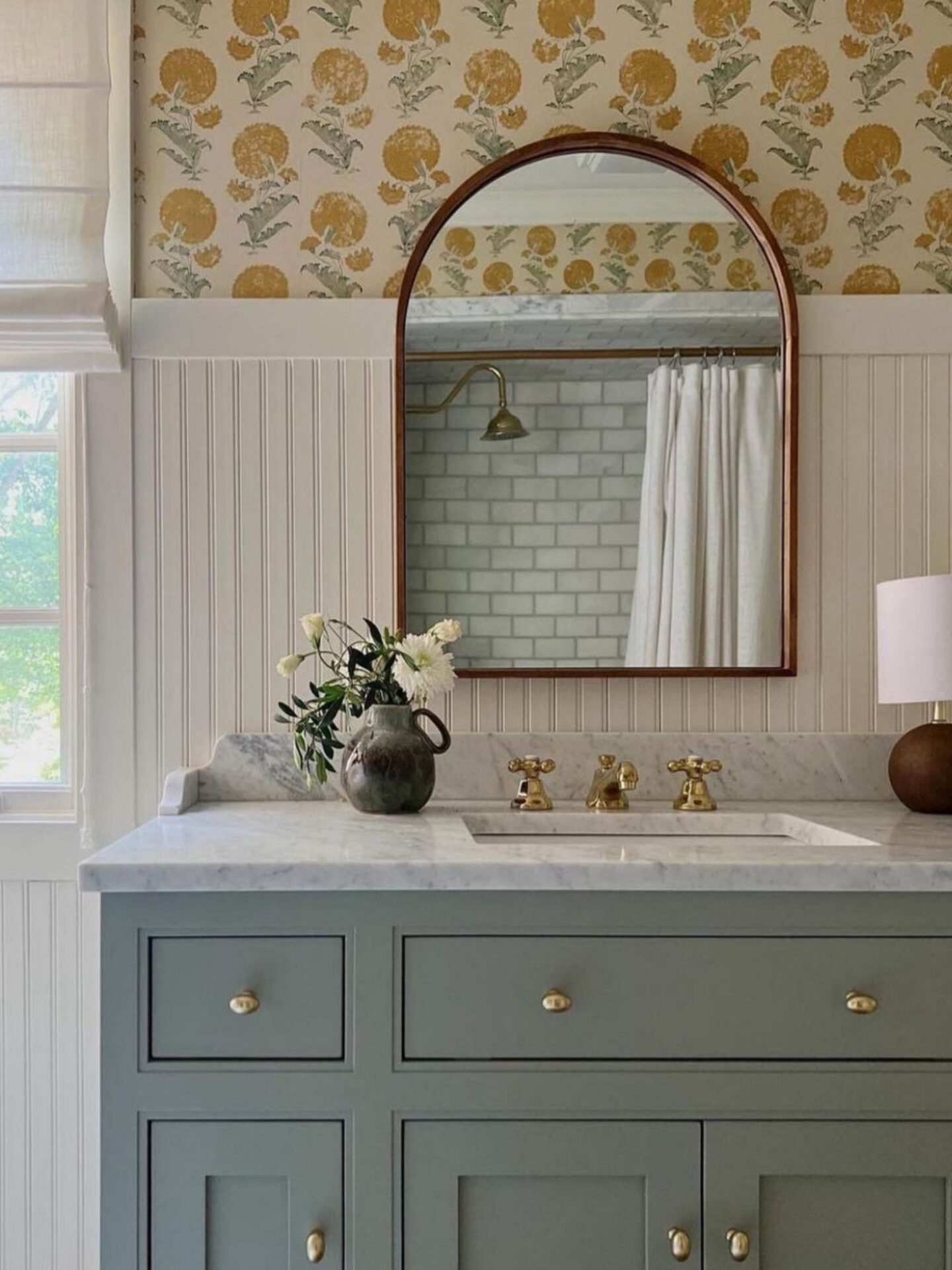
Designers refer to unlacquered metals such as brass, bronze, and copper as living finishes because their surfaces respond to air, water, and touch. What starts as a uniform sheen gradually deepens to develop areas of patina and richness – especially on the fixtures used most often. Each mark and shift in tone tells a story and makes these metals feel more alive with time.
Unlike their sealed counterparts (which remain unchanged year after year), unlacquered metals evolve over time. And when you want a fresh look, most of these finishes can be easily polished back to their original shine, ready to begin the process again.
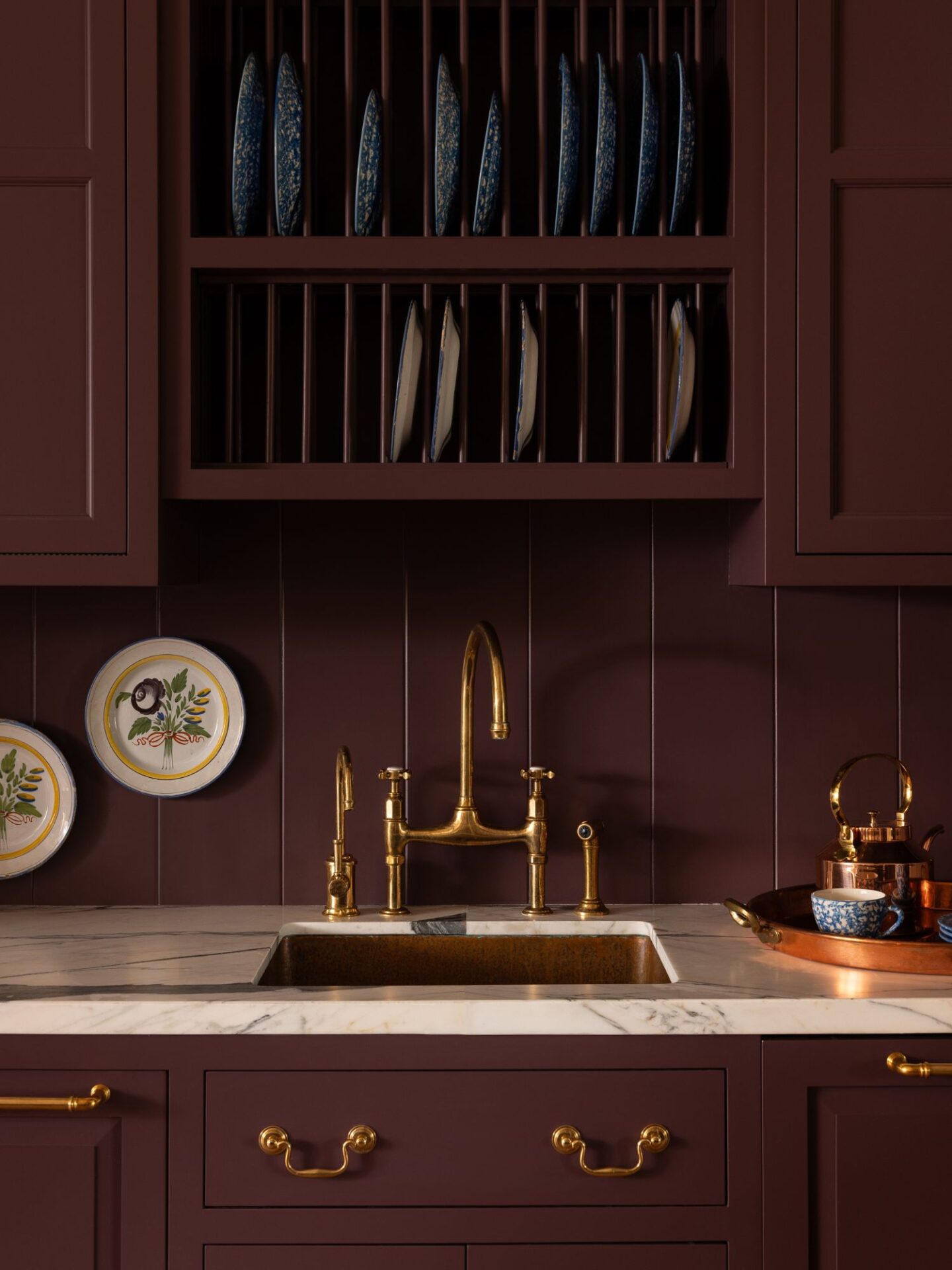
Design: Heidi Callier Design
Natural Stones
Designers, architects, and clients alike have long prized natural stone for its strength and timeless allure. From the luminous veining of marble to the earthy warmth of travertine, each variety brings its own distinct palette of patterns, colors, and surface textures. While some natural stones resist scratching and etching better than others, all develop unique character as they age and quietly record the passage of time and use.
Marble is one of the clearest examples of this. Despite its tendency to etch, scratch, and soften, marble has been used on floors, walls, countertops, and staircases for centuries. In cities like Rome, these surfaces bear unmistakable evidence of age and use, yet remain beautiful and admired. Rather than taking away from the stone, worn areas and softened edges become another layer of its character.
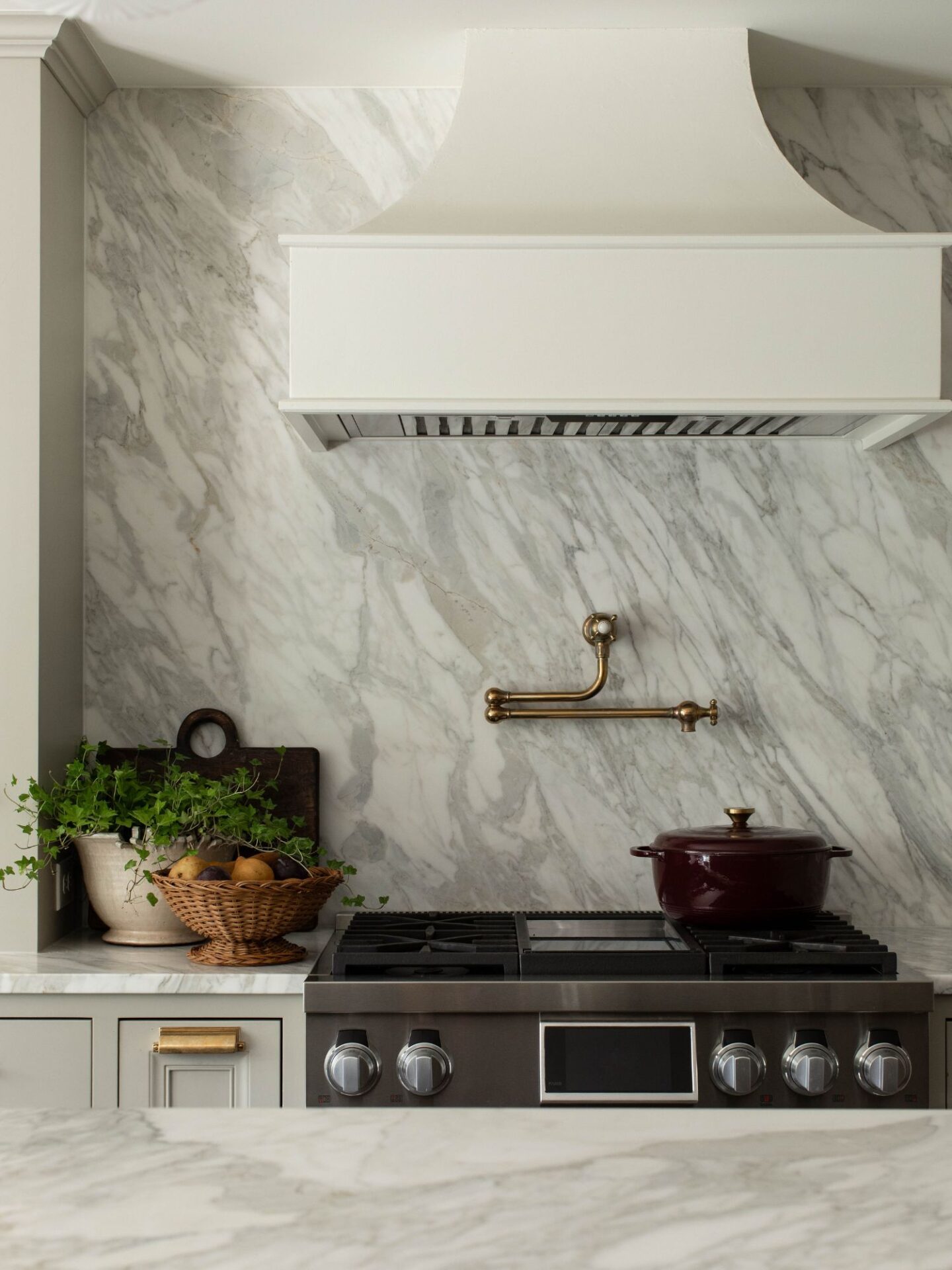
Handmade Tiles
Handmade tile brings a distinctive sense of variation to interiors and draws on craft traditions that span cultures and generations. In some cases, artisans actually form tiles by hand, while in others, manufacturers shape tiles by machine but glaze each one individually by hand.
When installed together, the variations in shape and tone create a surface alive with texture and dimension. Slight irregularities in edges and color catch the light in unexpected ways, giving even the simplest installation remarkable depth and visual interest that is impossible to achieve with perfectly uniform tiles. Over time, handmade tile becomes even more inviting as its surfaces gently wear and glazes soften.
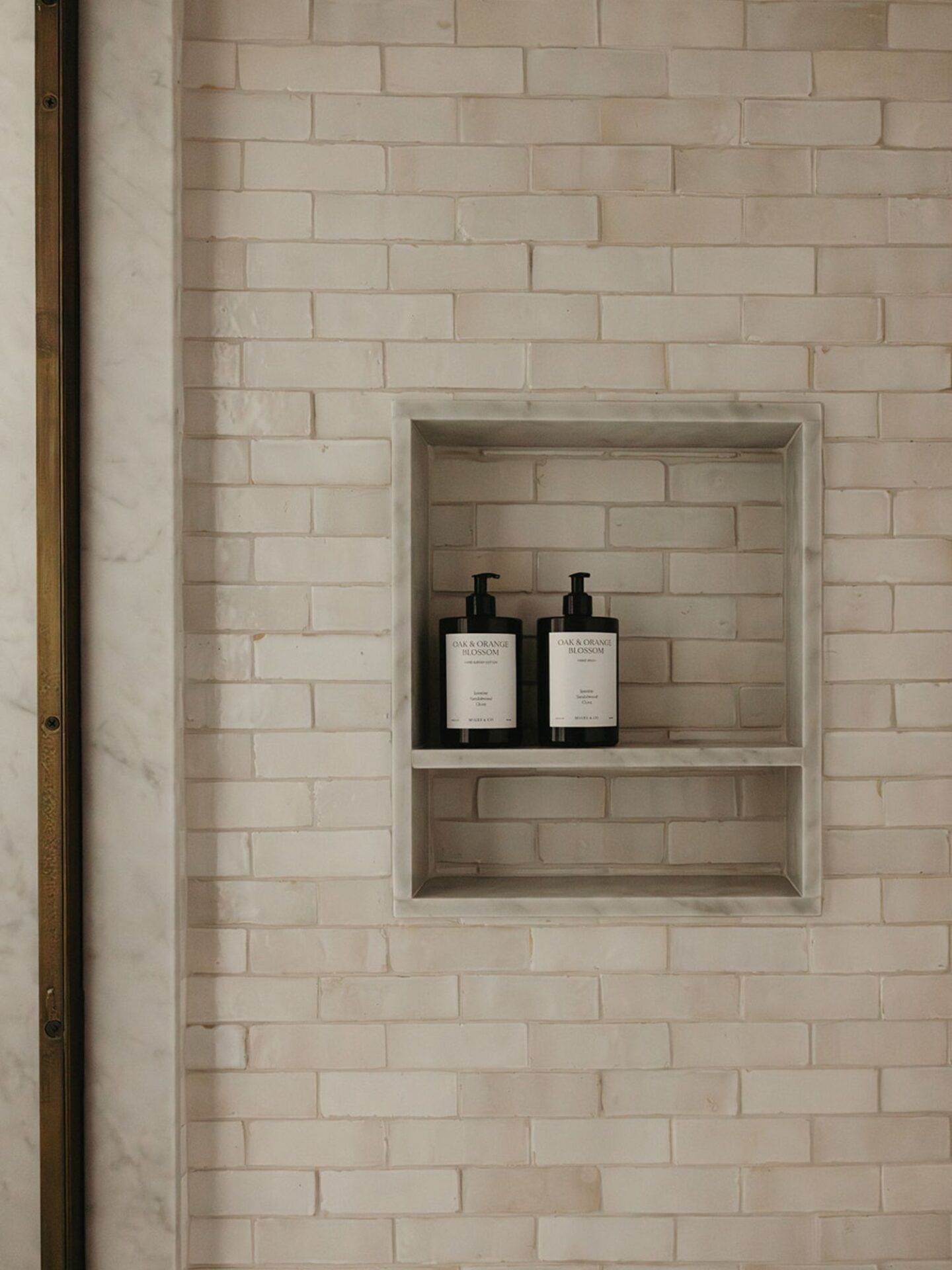
Design: James May Homes
Antique & Vintage Rugs
While most materials that age beautifully are hard finishes, antique and vintage rugs introduce a softer layer of character to this list. When made with natural fibers like wool, these textiles become more supple and relaxed, while their vegetable-dyed colors mellow over time. Instead of looking worn out, these rugs often become more interesting as they age – making them a beautiful addition to both old and new homes alike.
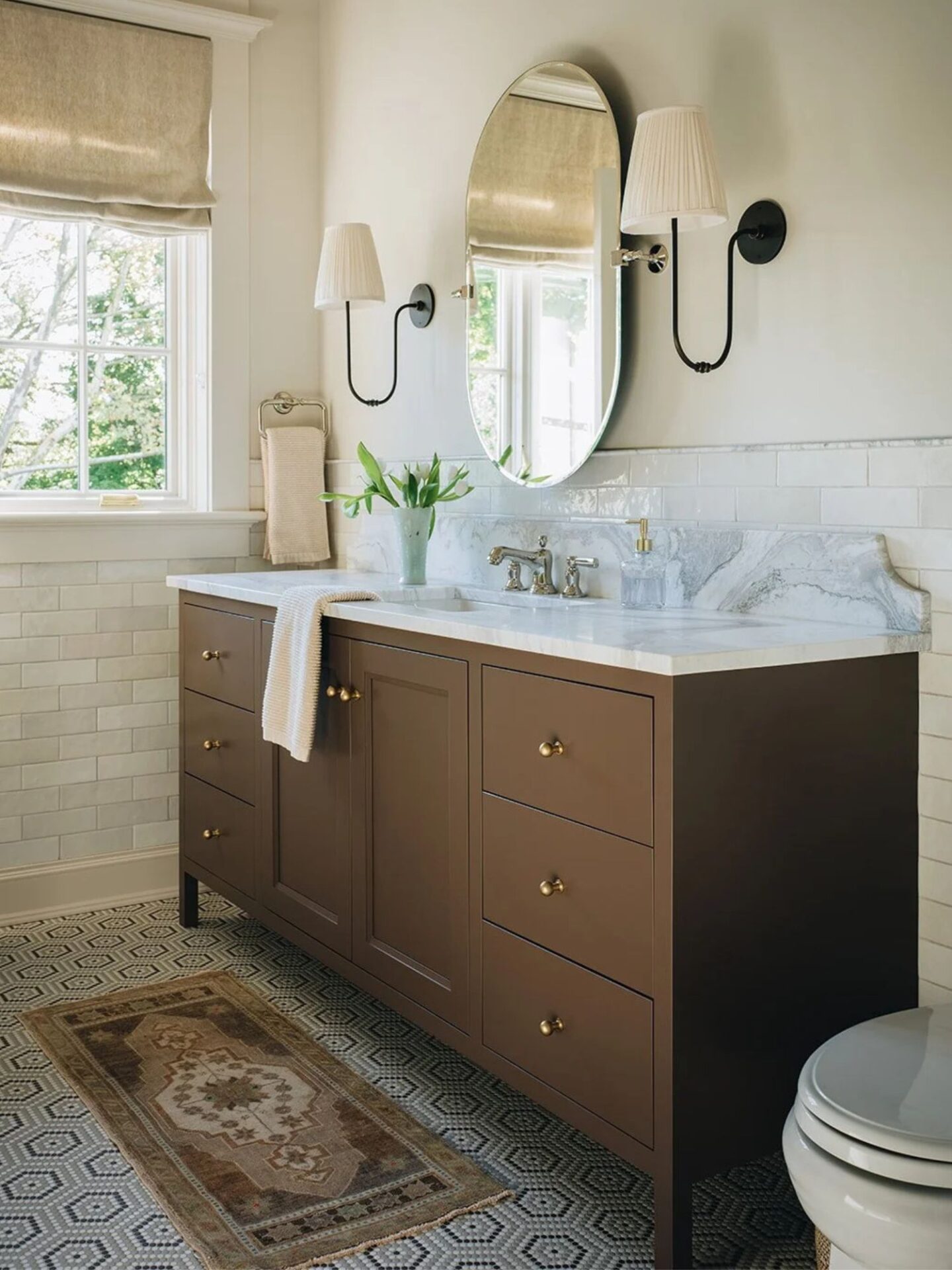
Design: Jean Stoffer Design
Using Natural Materials in Your Home
Choosing natural materials for your home means understanding how they will change over time. Patina, variation, etching, and small scratches are inherent to many of these finishes and qualities that some see as appealing character, while others prefer to avoid in favor of more consistent options. But perhaps most importantly, natural materials give a home permission to be lived in – and we absolutely love that.
Work With Us
Material selection is an important part of creating interiors that continue to feel beautiful for years to come. If our approach aligns with what you have in mind for your home, we invite you to learn more about our interior design services here.

About Mabel Lane
Mabel Lane is a residential design studio grounded in a modern heritage sensibility. Our work specializes in new-builds, renovations, and furnishing projects designed to feel quietly refined and deeply connected to everyday life.
Resources
Notes on Home
A weekly letter from my desk exploring the principles and details behind creating a well-designed home - no degree required.