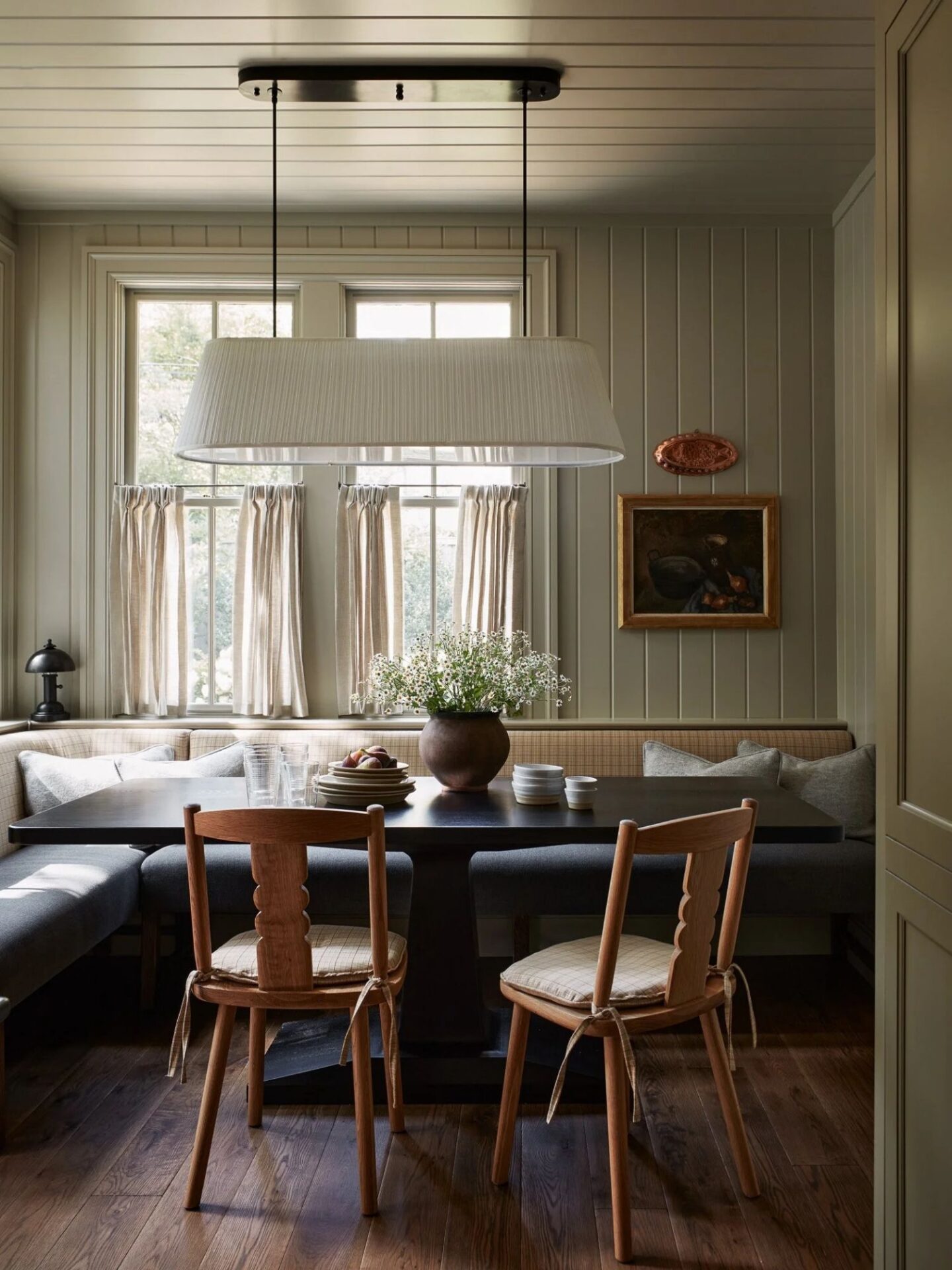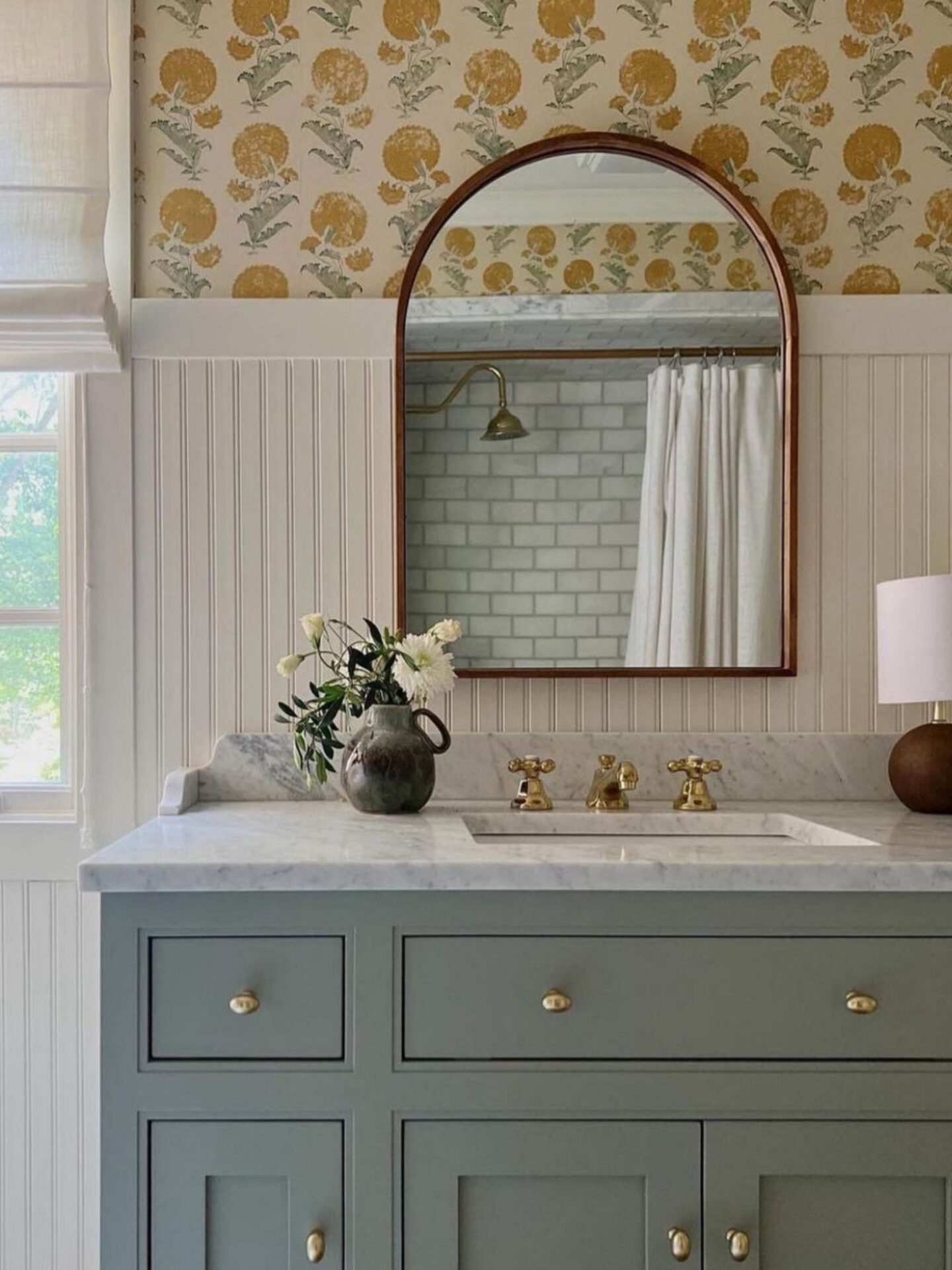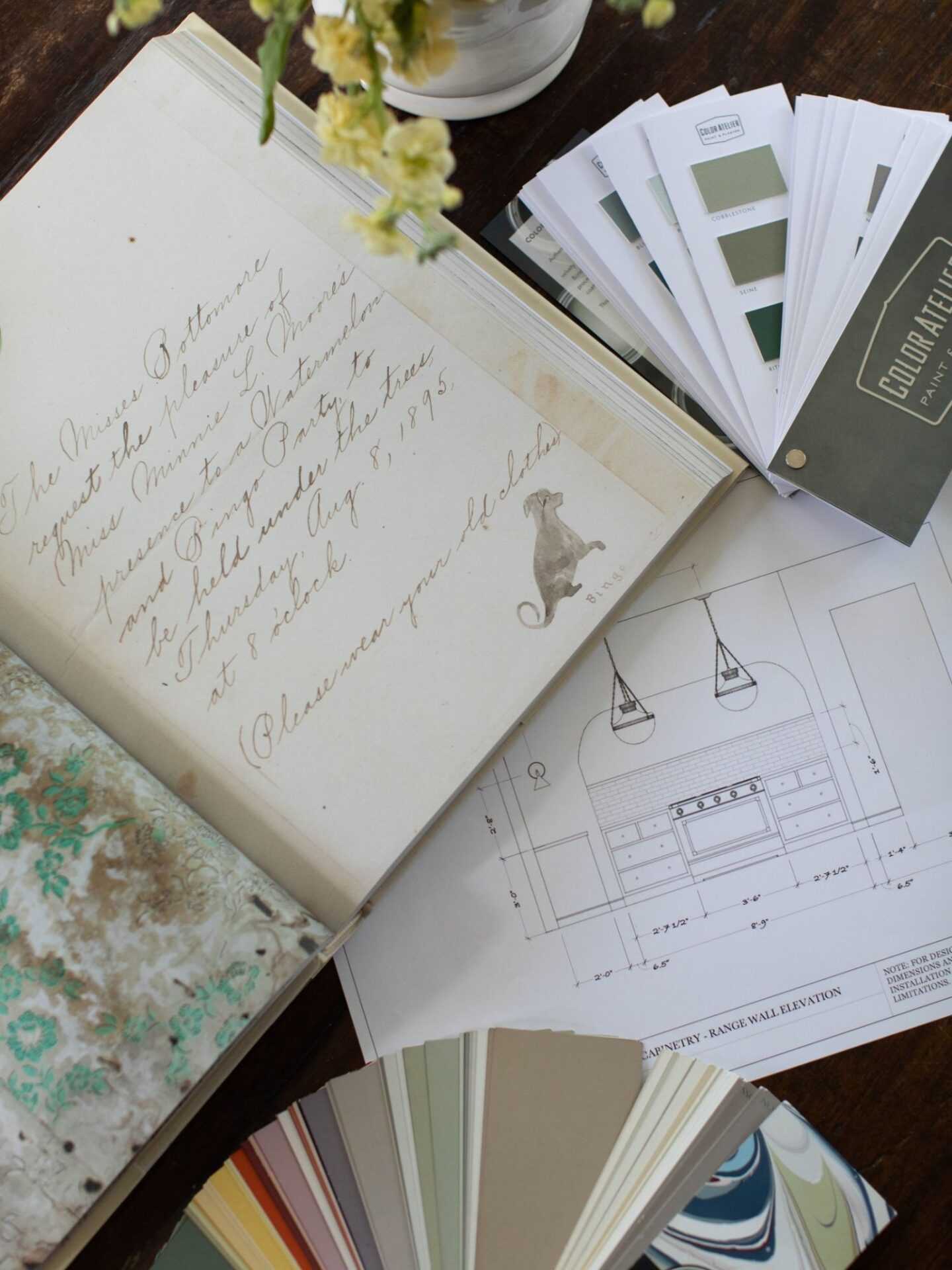
The word modern has become something of a catch-all term in the design world. For some, it describes interiors that feel fresh and updated – but for others, it means practical improvements like better storage and efficient layouts. In this post, we’re taking a closer look at what modern interior design actually means and why understanding the distinction matters when designing your home.
What is Modern Interior Design?
Modern interior design emerged from the Modernist movement of the early-to-mid 20th century and drew influence from German Bauhaus and Scandinavian design. Guided by the principle that form follows function, this style emphasizes open floor plans, clean lines, minimal ornamentation, and the natural beauty of materials like wood, stone, glass, and steel.
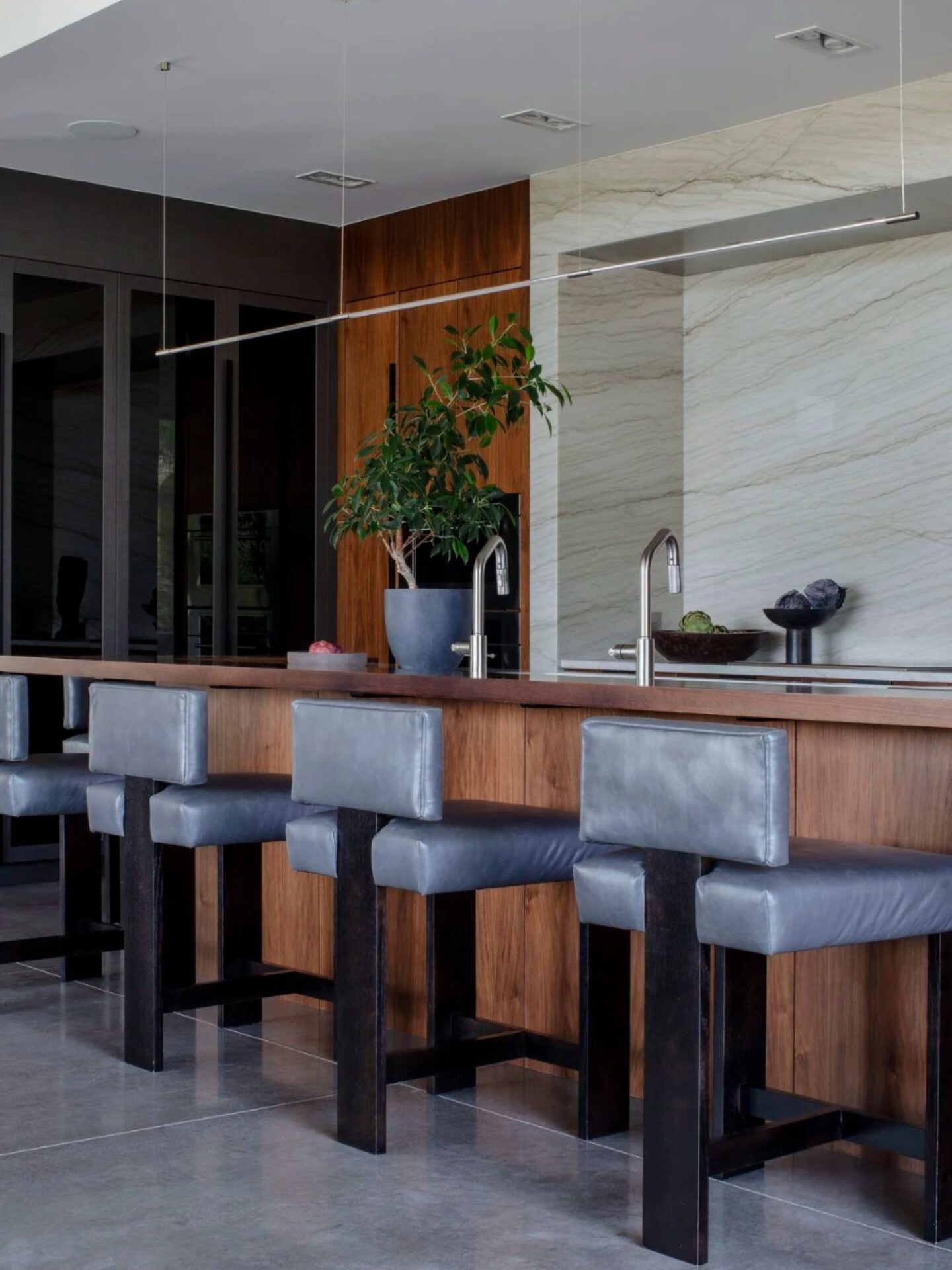
This mid-century-inspired kitchen by Studio Thomas is a beautiful example of modern interior design. The flat-panel cabinetry and full-height stone backsplash create uninterrupted surfaces that emphasize the room’s architectural proportions and highlight each material’s natural beauty. Even the sleek leather stools and pendant lighting reflect the same restrained approach to simple detailing.
Designing for Modern Function
Beyond its architectural meaning, the word modern is commonly used to describe interiors that reflect the latest design trends. However, this is actually closer to the definition of contemporary design, which evolves alongside today’s styles and preferences. And to make things even more complicated, modern doesn’t just describe a style – it also describes how a home functions.
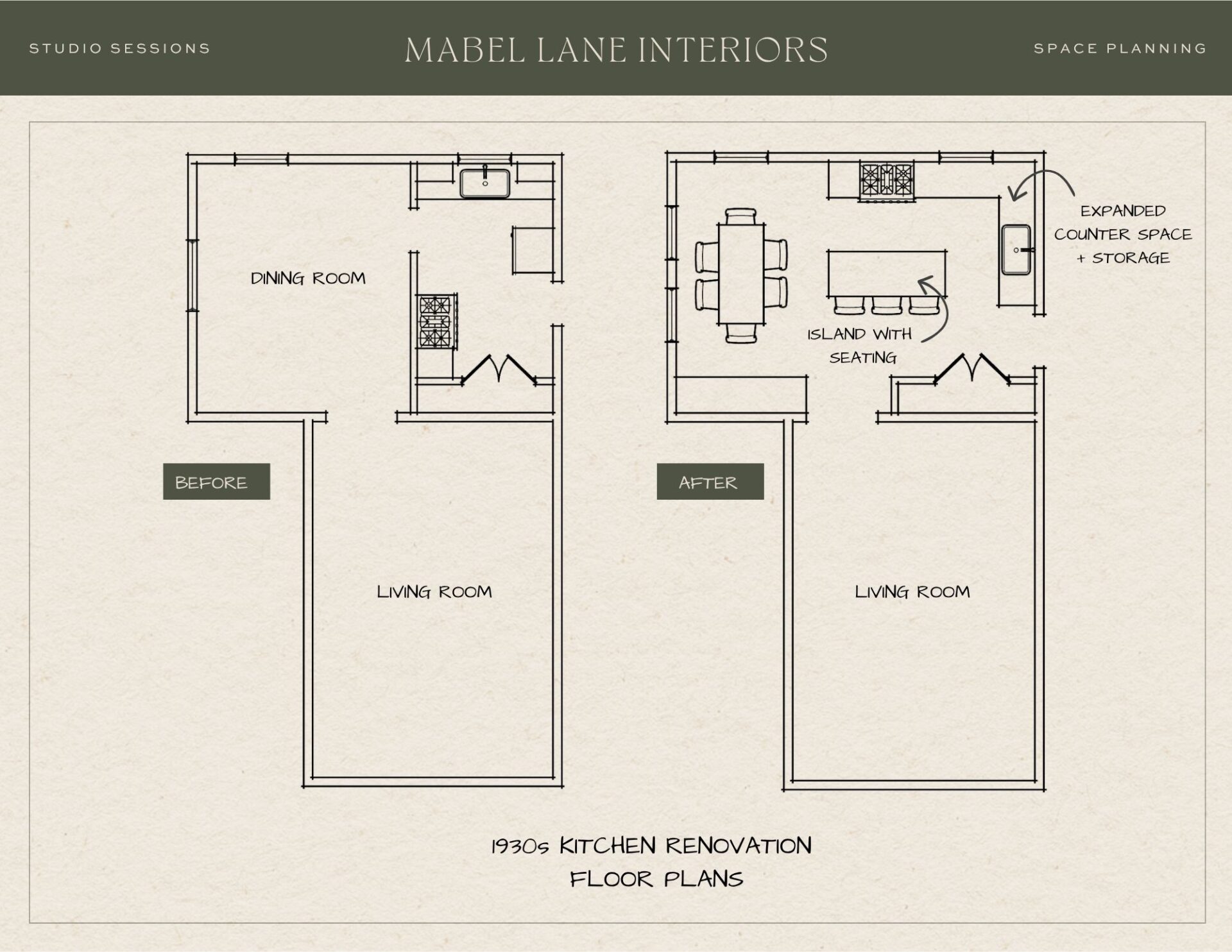
For example, when a client asks for a modern kitchen in a 1930s home, they may be envisioning better storage, integrated appliances, and a more functional layout while preserving the home’s original character. Their design team might incorporate period-inspired cabinetry and materials that complement the home’s history alongside the practical conveniences of present-day living. Now imagine a designer interpreting that same request as a preference for flat-panel cabinetry, minimal ornamentation, and sleek finishes. The resulting kitchen design would look very different, even though both interpretations could reasonably be described as modern.
What Modern Interior Design Means for Your Home
Wanting a modern aesthetic and wanting a home that functions for modern living are two very different things, and each represents a different set of priorities to your design team. Understanding what modern design means in the context of your project helps you communicate your priorities clearly so the resulting design reflects what you actually envision for your home.
At Mabel Lane, we describe our approach to interior design as reimagining heritage-inspired details with a modern sensibility. For us, that means drawing on traditional materials and design principles while incorporating the conveniences that make a home comfortable for today’s lifestyles. If this approach resonates with you, we invite you to get in touch.

About Mabel Lane
Mabel Lane is a residential design studio grounded in a modern heritage sensibility. Our work specializes in new-builds, renovations, and furnishing projects designed to feel quietly refined and deeply connected to everyday life.
Resources
Notes on Home
A weekly letter from my desk exploring the principles and details behind creating a well-designed home - no degree required.