Some homes carry an atmosphere that feels warm and comforting the moment you step inside. Natural materials play an important role in creating that feeling, which is one reason they have long held a place in interior design. As wood, stone, living metals, handmade tile, and antique textiles evolve with a home, they develop signs of use that create a lived-in quality that grows richer over time.
Solid Wood
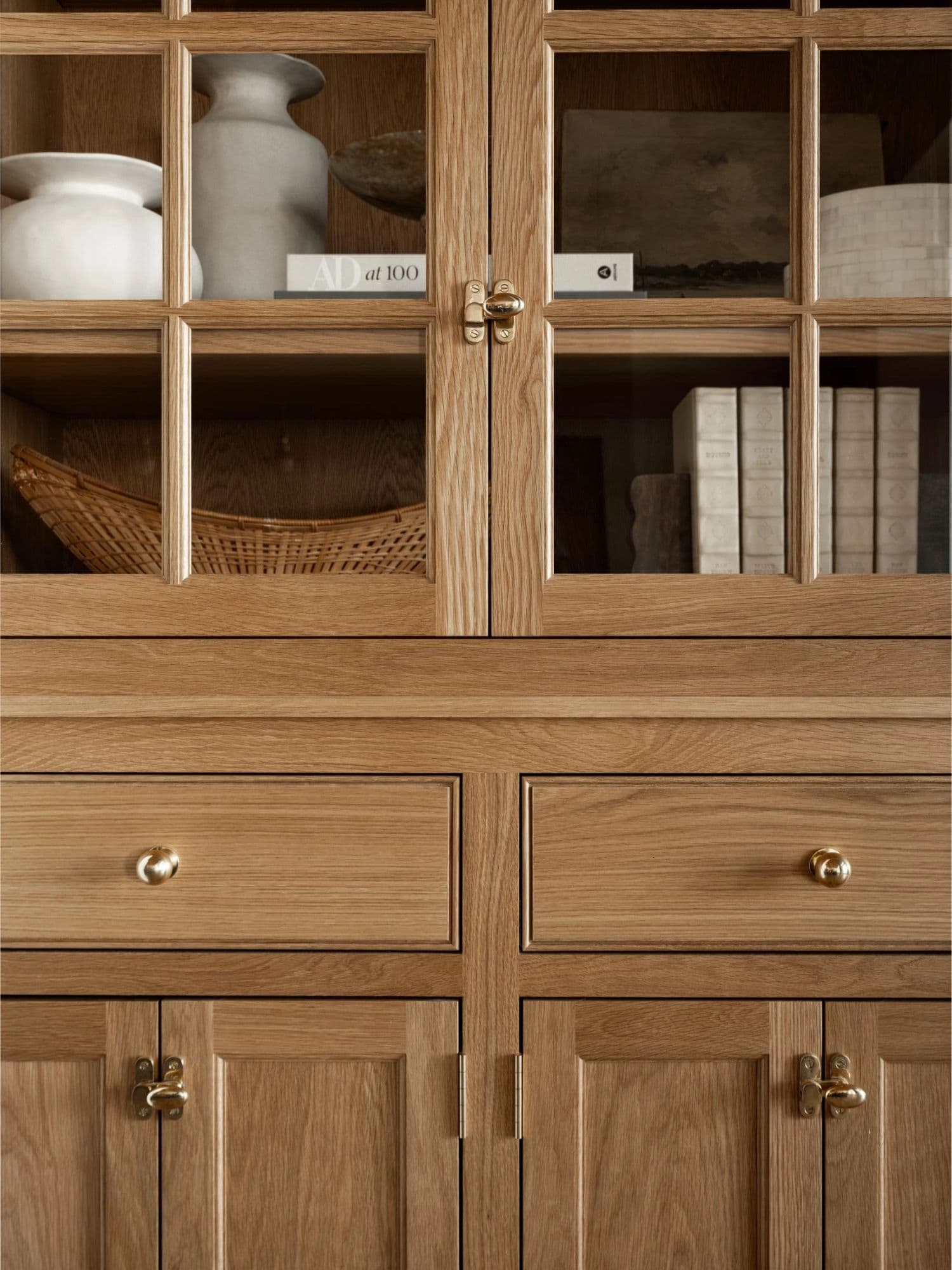
Wood is one of the most expressive materials you can bring into a home with its natural grain, knots, and variations in color. Floors and furniture may develop scratches from daily use, but those changes are part of what makes the material so appealing to us. A wood floor that carries a few imperfections feels far less precious than one that looks brand new – and there is something wonderfully inviting about that. Details like plank width and wood species can also offer clues about when a floor or piece of furniture was made as different eras favor specific proportions and finishes. Add in the marks collected through years of use, and wood begins to tell a story that engineered surfaces simply can’t replicate.
Living Metals
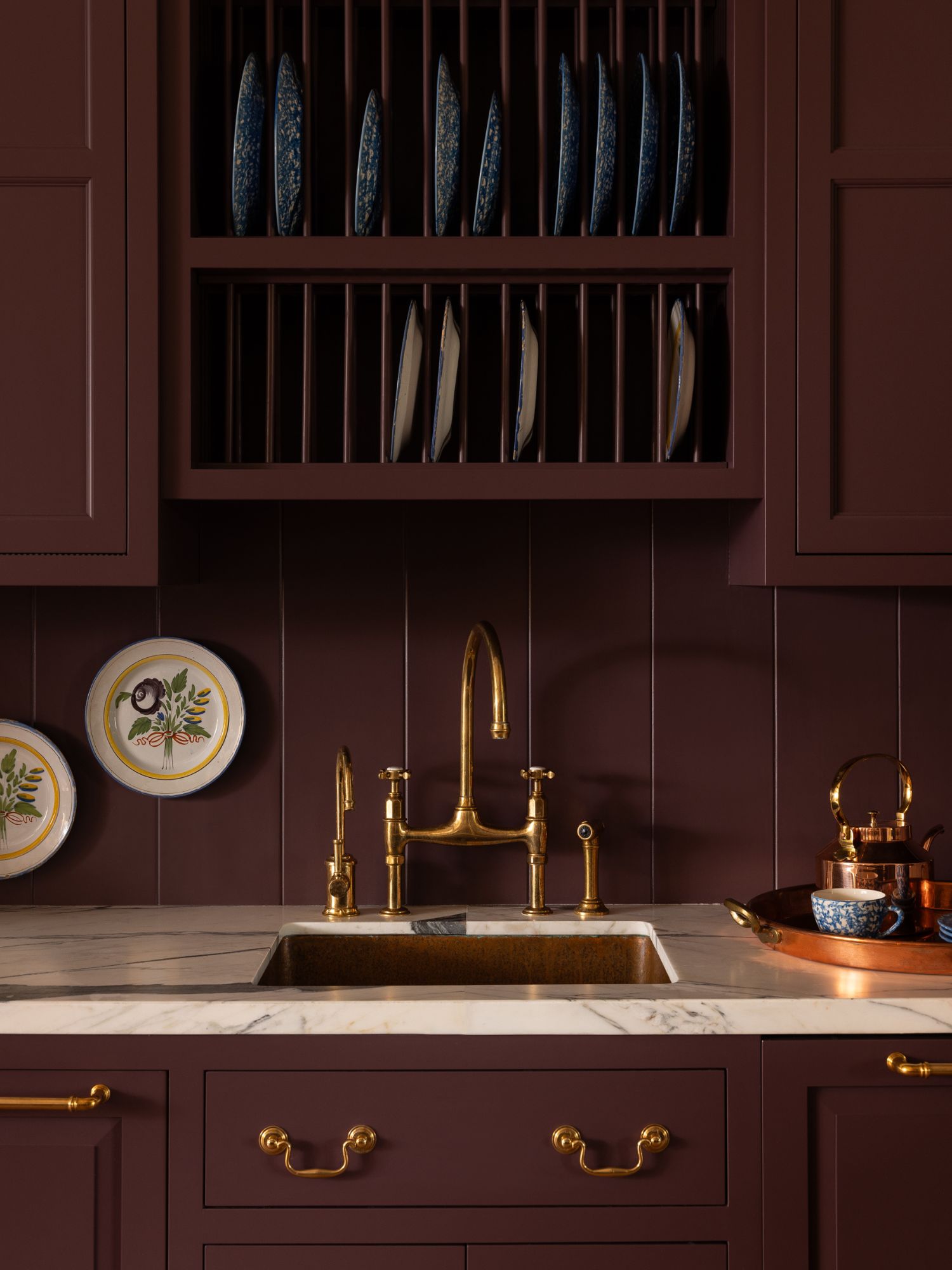
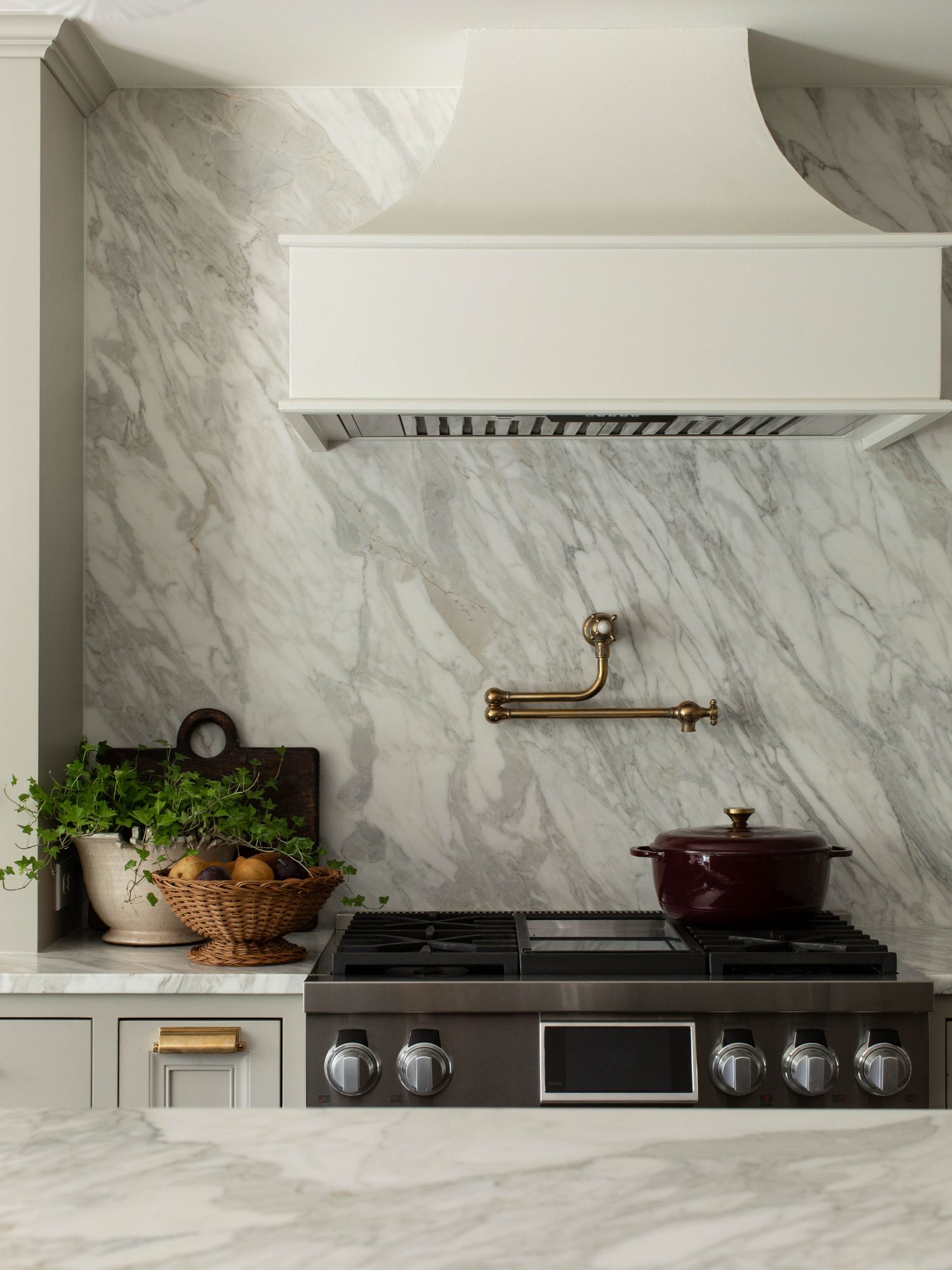
Designers refer to unlacquered brass, bronze, copper, and nickel as living finishes because their raw surfaces respond to air, water, and touch. What starts as a beautifully uniform sheen gradually deepens to develop areas of patina and richness – especially on the fixtures used most often. Instead of trying to preserve the original finish, we love watching those subtle changes become part of the piece itself. A brass knob may have both bright and dark spots, and it’s that exact variation that makes living metals so interesting. If you prefer your fixtures to always look new, you can polish many living finishes to restore their original shine. But for us, the patina is part of the appeal and gives a newly renovated home a little bit of that timeworn warmth we’re after in our interiors.
Natural Stone
Designers have long prized natural stone for its strength and distinct palette of patterns, colors, and surface textures, with no two pieces exactly alike. Marble is one of the clearest examples of this, as you see in the architecture of Rome: worn underfoot, softened around the edges, and unmistakably aged yet somehow all the more beautiful for it. Those surfaces remind us that a material doesn’t need to remain pristine to stay beautiful. In fact, we think the ability to carry those signs of life so gracefully is part of what makes natural stone worth choosing in the first place.
Handmade Tile
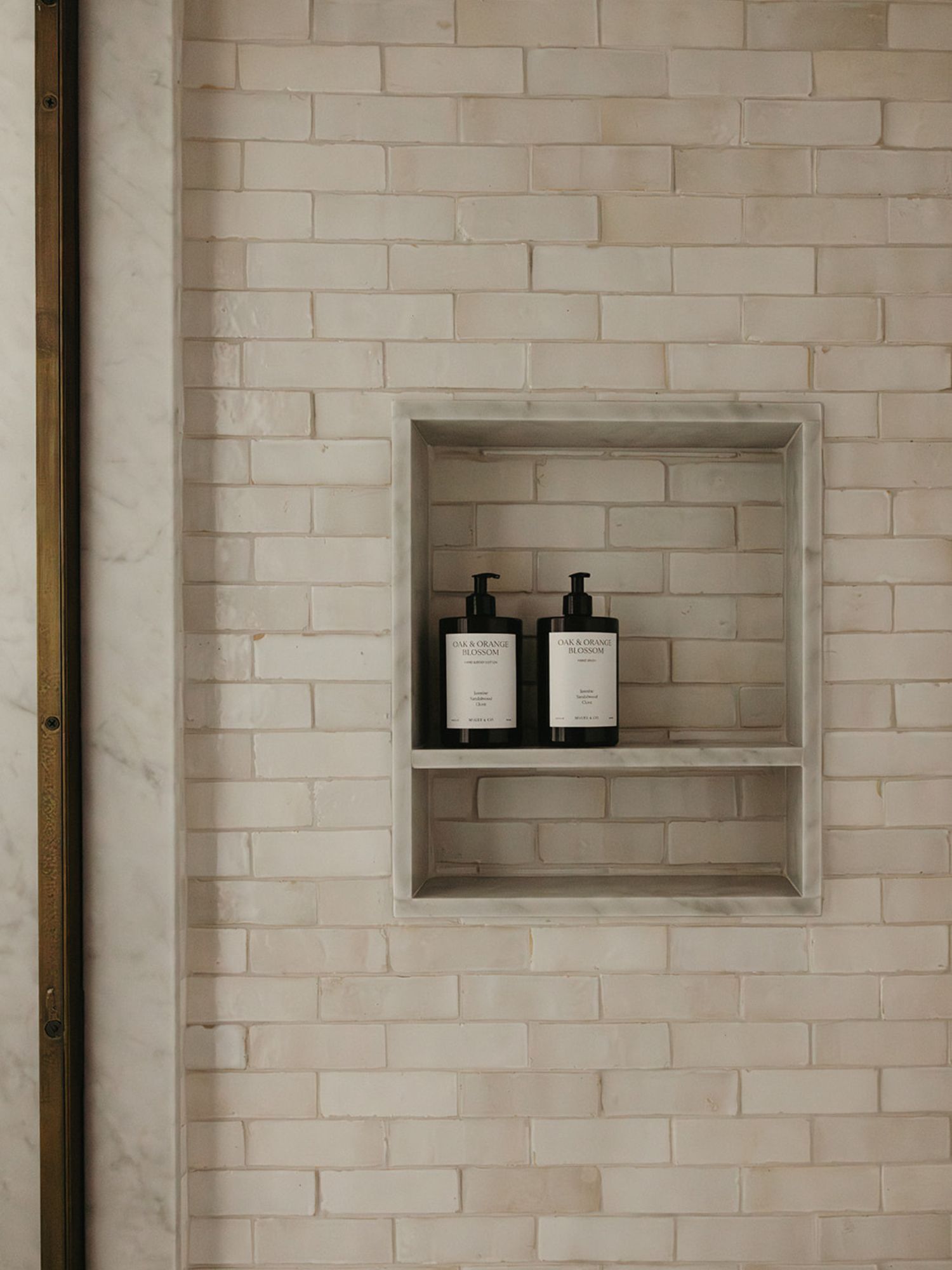
We love handmade tile for many of the same reasons as natural stone. Some artisans form tiles entirely by hand, while others shape them by machine before glazing or finishing each one individually. Either way, those small variations are part of their charm. When installed together, slight differences in shape, color, and glaze catch the light in unexpected ways and give even the simplest installation remarkable visual interest. And because the beauty of handmade tile never depended on perfection to begin with, the wear that comes later feels right at home.
Antique & Vintage Rugs
Antique and vintage rugs might be one of our favorite examples of just how well organic materials age in a home. Natural fibers like wool soften after decades of use while traditionally dyed motifs mellow into quieter tones. Fading, worn areas, or imperfect edges don’t necessarily require fixing and often make these textiles feel more collected with age. The result is difficult to reproduce in something brand new because time itself is part of what created it – and is also what makes these textiles surprisingly easy to live with.
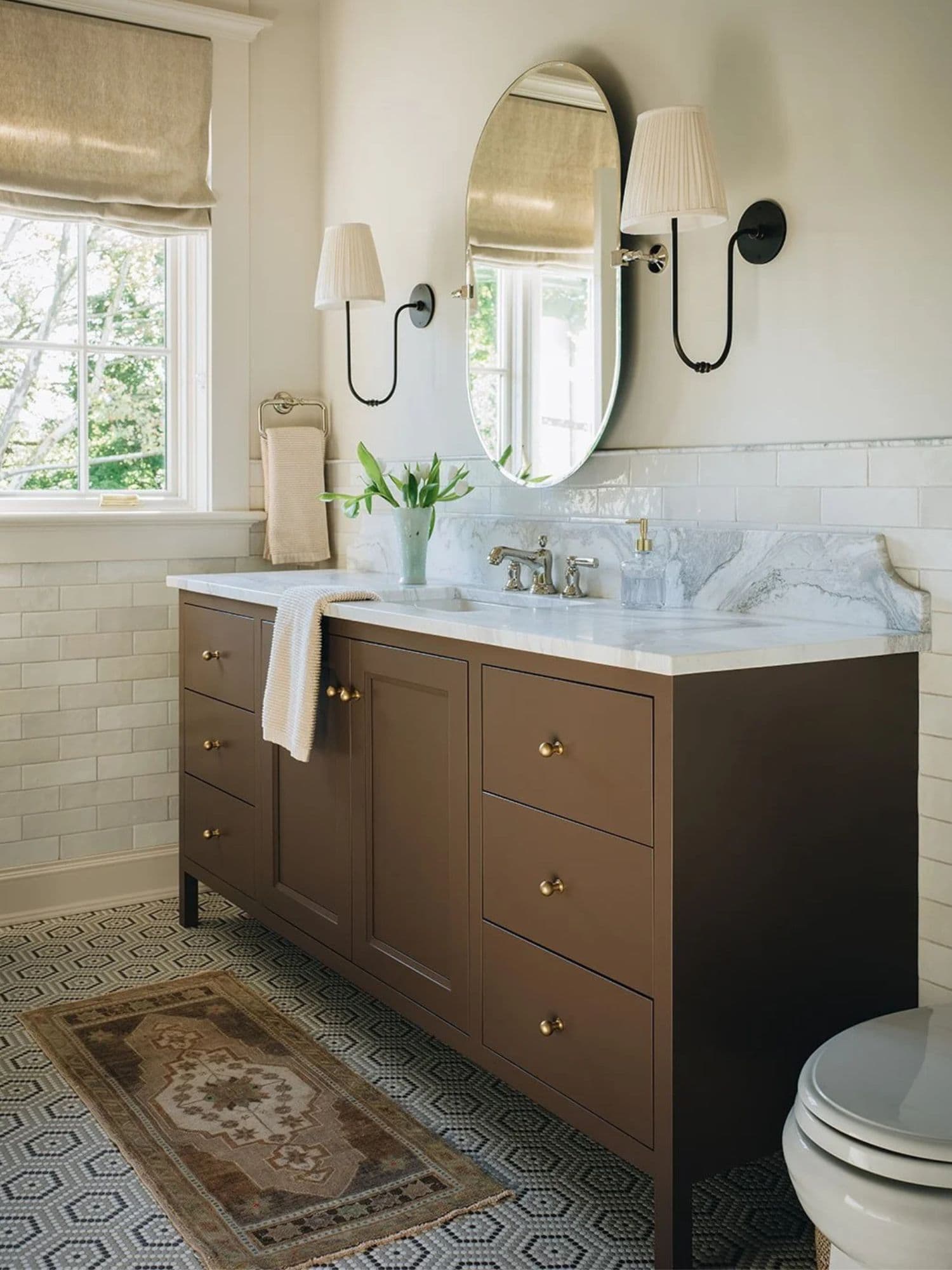
Using Natural Materials in Your Home
Of course, using natural materials also means understanding what you are signing up for. Patina, variation, etching, fading, and small imperfections are inherent to many of these materials. We see those changes as part of their character, but that doesn’t mean everyone agrees – and it is worth considering what is important to you and your home when making material selections.
At Mabel Lane, we choose natural materials for our interiors because of their ability to grow richer with time. But perhaps most importantly, natural materials give a home permission to be lived in – and we absolutely love that.
Considering a Project?
Material selection is an important part of creating interiors that continue to feel beautiful with years of use. If our approach aligns with what you have in mind for your home, we invite you to learn more about our interior design services here.
Why We Believe Natural Materials Get Better With Age
September 2, 2026
September 2, 2026
